
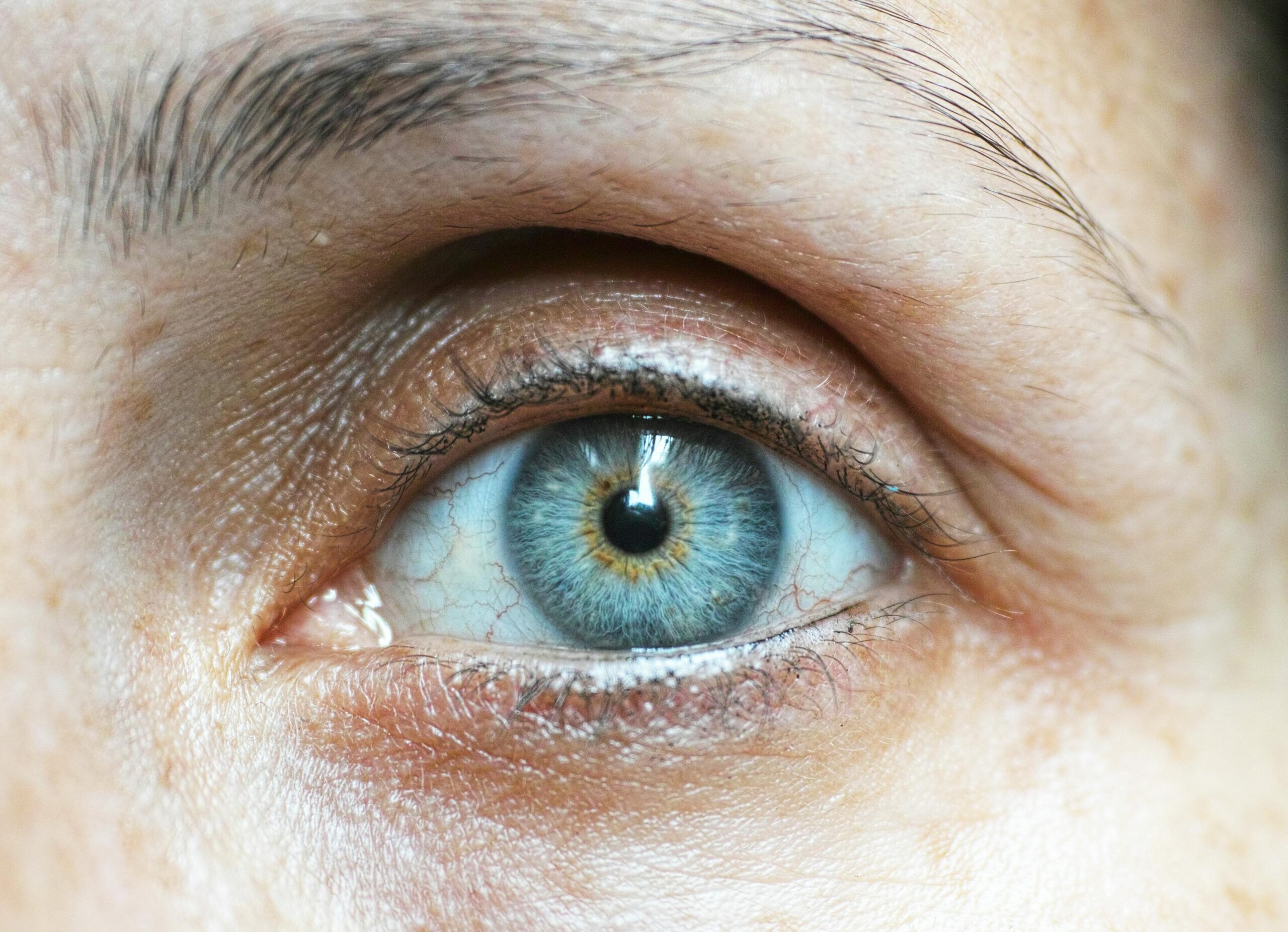
Annular Keratopigmentation: The Haute Couture of Eye Color Change
In the world of eye color transformation, not all techniques are created equal. Annular keratopigmentation stands apart — a precision surgical approach that redefines what is possible when it comes to permanently changing your eye color. At FLAAK, our ophthalmologist performs this refined procedure using the VisuMax femtosecond laser, placing biocompatible pigments directly within the corneal stroma to create a result that is, quite literally, haute couture for the human eye.
What Is Annular Keratopigmentation?
Keratopigmentation — also called corneal tattooing — is the medical procedure of introducing pigment into the corneal stroma to permanently alter the appearance of the iris. The term “annular” refers specifically to the ring-shaped zone of pigmentation that mimics the natural limbal ring visible in deeply colored eyes. This ring is what makes dark eyes appear so vivid and well-defined — and with annular keratopigmentation, it can be replicated with surgical precision on eyes of any natural color.
Unlike total corneal pigmentation (which covers the entire visible iris), the annular approach targets only the peripheral zone — creating a dramatic darkening of the limbal ring while allowing the center of the iris to remain natural or to be harmoniously blended. The result is an eye that looks not painted, but genuinely deeper, richer, and more defined.
The Science Behind the Beauty
The cornea is composed of five distinct layers. The stroma — accounting for roughly 90% of corneal thickness — is the layer targeted during keratopigmentation. Using the VisuMax femtosecond laser, our ophthalmologist creates a precise intrastromal pocket at a depth calibrated to the micron. This pocket — invisible from the outside — serves as the chamber into which biocompatible pigments are deposited.
These pigments are not inks or dyes in the conventional sense. They are pharmaceutical-grade, ophthalmology-validated colorants specifically formulated for intraocular use. They carry no risk of migration, no toxicity, and no immune reaction when correctly handled by a trained ophthalmologist. The femtosecond laser ensures that the stromal pocket is geometrically perfect — circular, evenly deep, and sized precisely to the annular pattern requested by the patient.
Why the Annular Approach Creates More Natural Results
The limbal ring — the dark circle around the iris — is one of nature’s most powerful visual cues for attractiveness and youth. Studies in visual perception have consistently shown that pronounced limbal rings are associated with health and vitality. As we age, this ring naturally fades. Annular keratopigmentation reverses this, restoring or enhancing the limbal ring in a way that looks unmistakably natural.
Because the pigmentation is deposited inside the cornea rather than on its surface, the result has depth and translucency — qualities that superficial alternatives like colored contact lenses can never fully replicate. Light still refracts through the cornea naturally, meaning the pigmented zone shifts subtly with ambient lighting, exactly as a real iris does.
At FLAAK in Paris, the annular technique is selected for patients who:
- Want to intensify their existing eye color without a total transformation
- Desire a more defined, “deep-set” eye appearance
- Have light or medium eyes and wish to add limbal contrast
- Prefer a subtle, elegant enhancement rather than a dramatic color change
Annular vs. Full Keratopigmentation: Which Is Right for You?
Both annular and full keratopigmentation are permanent procedures performed using the same femtosecond laser platform and the same biocompatible pigments. The primary difference lies in coverage and intent.
| Feature | Annular | Full |
|---|---|---|
| Coverage zone | Peripheral ring only | Entire visible iris |
| Best for | Intensification / definition | Complete color change |
| Result character | Subtle enhancement | Dramatic transformation |
| Typical use case | Dark eyes seeking definition | Light eyes seeking dark/amber change |
| Recovery period | 7–10 days visual stabilization | 7–14 days visual stabilization |
| Price | From €5,500 | From €5,500 |
Our ophthalmologist at FLAAK will guide you toward the technique best matched to your anatomy, your natural iris pigmentation, and the aesthetic result you are seeking. Both are performed under the same safety protocols, with the same VisuMax femtosecond laser.
The FLAAK Procedure: Step by Step
Every annular keratopigmentation procedure at FLAAK follows a structured protocol designed for maximum safety and precision.
- Initial consultation: A complete ophthalmological examination assesses corneal thickness, intraocular pressure, endothelial cell count, and overall eye health. Not all patients are eligible — safety is the first filter.
- Color simulation: Using high-resolution iris photography and digital color mapping, you preview your expected result before any commitment is made.
- Pigment selection: Our ophthalmologist helps you select from a curated palette of biocompatible pigments — including naturalistic shades of black, dark brown, amber, and grey that create a convincing annular ring.
- Laser pocket creation: On the day of surgery, the VisuMax femtosecond laser creates an intrastromal pocket with sub-micron precision. This takes approximately 20 seconds per eye.
- Pigment introduction: The biocompatible pigment is carefully deposited into the pocket using a microsurgical cannula. The pocket is then sealed — no sutures required.
- Recovery: Protective drops are prescribed. Vision may be temporarily blurred for a few days as the cornea adapts. Most patients resume normal activities within 5–7 days.
- Follow-up: FLAAK schedules post-operative visits at 1 week, 1 month, and 3 months to confirm stability and pigment integration.
Safety Profile and Medical Validation
One of the most frequent questions we receive at FLAAK concerns safety. Annular keratopigmentation is a medical procedure — not a cosmetic shortcut — and like all surgical interventions, it carries a risk profile that must be honestly communicated.
The use of the VisuMax femtosecond laser — the same platform used in millions of LASIK and SMILE refractive surgeries worldwide — ensures that the corneal pocket is created without mechanical trauma, minimizing the risk of corneal edema, irregular astigmatism, or infection. The selection of certified biocompatible pigments eliminates the toxicity risks historically associated with early experimental corneal tattooing techniques.
Patients with the following conditions are typically excluded from candidacy:
- Thin corneas (below safe stromal threshold)
- Active ocular infections or inflammatory conditions
- Uncontrolled glaucoma or elevated intraocular pressure
- Keratoconus or other corneal ectasias
- Pregnancy or breastfeeding
The FLAAK pre-operative protocol ensures that only suitable candidates proceed to surgery. If you are not a candidate, our ophthalmologist will explain why and discuss alternatives transparently.
Permanent Eye Color Change: Understanding “Permanent”
The word “permanent” in the context of keratopigmentation means that the biocompatible pigments are deposited inside the corneal stroma — a structural tissue with no vascular supply and extremely slow cellular turnover. Unlike superficial skin tattoos, which fade over years as epidermal cells cycle, corneal stroma cells do not regenerate on a meaningful timescale for most patients’ lifetimes.
Studies on patients who underwent keratopigmentation using modern pigments and femtosecond laser techniques show stable color results at 5+ year follow-up with no clinically significant fading. At FLAAK, we consider the procedure permanent — with the caveat that all medical procedures evolve, and future revision techniques may become available.
The price for annular keratopigmentation at FLAAK starts at €5,500 — an investment in a result that, unlike contact lenses or iris implants, does not require maintenance, removal, or replacement.
Why Choose FLAAK in Paris?
Paris has established itself as one of Europe’s leading centers for precision ophthalmology, and FLAAK is at the forefront of this evolution. Our ophthalmologist brings years of refractive surgery expertise to every keratopigmentation procedure — a background that is not optional but essential when working with femtosecond laser technology inside the human cornea.
FLAAK is not a medispa or a beauty clinic. It is a medical practice where eye color change is treated with the rigor of ophthalmological surgery. Every patient who walks through our doors receives a full ophthalmic workup before any discussion of aesthetics begins. This is the standard we hold ourselves to — and the standard you should demand from any provider offering keratopigmentation.
From the initial consultation to the final follow-up, FLAAK accompanies you through every step of the process. Our WhatsApp consultation line is available for prospective patients who wish to ask questions, understand pricing, or begin their candidacy assessment from anywhere in the world.
Frequently Asked Questions — Annular Keratopigmentation
Is the annular technique more affordable than full keratopigmentation?
Both procedures start at €5,500 at FLAAK. The price reflects the surgical time, materials, and follow-up care — which are similar for both techniques. A detailed quote is provided after your initial consultation.
Can the annular ring be removed if I change my mind?
Keratopigmentation is designed as a permanent procedure. While research into reversal techniques is ongoing, patients should approach this decision with the same seriousness as any irreversible cosmetic surgery. Our ophthalmologist will discuss this candidly during your consultation.
Will the annular pigmentation affect my vision?
The pigment is deposited in the peripheral corneal stroma — outside the optical zone. When performed correctly by a qualified ophthalmologist, the procedure does not affect visual acuity. All FLAAK patients undergo a complete visual function assessment post-operatively.
How does this compare to colored contact lenses?
Contact lenses are removable, non-permanent, and require daily hygiene discipline to prevent infections — which are a real and documented risk with long-term lens wear. Annular keratopigmentation is a one-time surgical procedure with no ongoing maintenance, no risk of lens-related infection, and a result that is integrated into the eye’s structure rather than sitting on its surface.
For those seeking the definitive solution — the haute couture answer to eye color enhancement — annular keratopigmentation at FLAAK represents the pinnacle of what is currently available in Paris and across Europe.
Medical Safety and Clinical Standards
Permanently changing your eye color is now a medical reality, thanks to decades of advancement in keratopigmentation techniques and biocompatible materials science.
Keratopigmentation allows patients to achieve their desired eye color with remarkable precision. Whether the goal is blue, green, hazel, honey, or gray, the corneal technique deposits specially formulated biocompatible pigments into the corneal stroma through a safe intrastromal pocket created by a femtosecond laser. Unlike iris implants, which carry serious risks of glaucoma, uveitis, and endothelial cell loss, keratopigmentation works exclusively on the corneal surface without touching the iris, lens, or any internal structures of the eye.
The ophthalmologist surgeon performing the procedure in Paris uses an advanced 3D color simulation system during the free consultation Paris appointment, allowing patients to preview their transformation before committing to surgery. This simulation takes into account the patient’s natural iris pigmentation, corneal transparency, pupil size, and desired color intensity to produce a realistic preview of the final outcome. The combination of simulation technology and the surgeon’s artistic expertise ensures that expectations are perfectly aligned with achievable results. The outcome is a permanent result that does not fade, shift, or require periodic touch-ups.
The science behind the color change is rooted in optical physics: the biocompatible pigments absorb and reflect specific wavelengths of light within the corneal stroma, creating the appearance of a new iris color when viewed through the transparent corneal layers. This principle is similar to how the natural iris produces color through melanin distribution. The key advantage of keratopigmentation is that it achieves this effect externally to the iris, preserving the delicate iris tissue and its critical functions including pupil dilation and aqueous humor regulation. This approach maximizes medical safety while delivering exceptional aesthetic outcomes at a cost of approximately 5,500 EUR.
Every patient undergoes a thorough pre-operative assessment before being cleared for keratopigmentation surgery. This examination includes corneal topography mapping, pachymetry (corneal thickness measurement), endothelial cell count, intraocular pressure assessment, and a complete slit-lamp examination. Only candidates who meet strict eligibility criteria proceed to surgery, maintaining the highest standards of medical safety. Patients with active corneal pathology, severe dry eye syndrome, keratoconus, insufficient corneal thickness, or uncontrolled glaucoma are identified during the free consultation Paris session and advised of alternative options.
Permanent Results and Long-Term Patient Satisfaction
One of the most compelling aspects of keratopigmentation is its permanent result. Unlike colored contact lenses that must be inserted and removed daily, keratopigmentation offers a single procedure with lifelong results. The biocompatible pigments remain stable within the intrastromal corneal pocket, maintaining their color intensity, uniformity, and natural appearance over decades. Long-term follow-up studies spanning five to ten years confirm that the pigments do not migrate, degrade, or cause delayed inflammatory reactions.
Patient satisfaction surveys consistently demonstrate exceptional outcomes, with over 95% of patients reporting that the result met or exceeded their expectations. The before after transformations are documented through high-resolution clinical photography under standardized lighting conditions, providing an objective record of each patient’s journey. These images are available for review during the free consultation Paris appointment, allowing prospective patients to see real results from individuals with similar eye colors, skin tones, and aesthetic goals.
The procedure itself is remarkably efficient: each eye requires approximately 20 to 30 minutes, performed under topical anesthesia (eye drops only) with no general anesthesia, no injections, and no stitches. Most patients describe the experience as comfortable, with minimal sensation during the pigment injection phase. Recovery is swift, with the majority of patients returning to work and daily activities within 48 to 72 hours. Final color stabilization occurs progressively over two to four weeks as the corneal tissue fully heals around the biocompatible pigments.
Frequently Asked Questions About Keratopigmentation
Is keratopigmentation reversible?
Keratopigmentation is designed as a permanent result, which is one of its primary advantages over temporary solutions like contact lenses. However, should a patient ever wish to modify the outcome, the biocompatible pigments can be partially or fully removed by a qualified ophthalmologist surgeon using specialized femtosecond laser techniques. In clinical practice, revision procedures are extremely rare, as the vast majority of patients are fully satisfied with their transformation.
Does keratopigmentation affect vision or eye health?
No. The corneal technique deposits pigments exclusively in the peripheral and mid-peripheral cornea, carefully preserving the central optical zone that is responsible for visual acuity. Peer-reviewed clinical studies confirm that visual acuity, contrast sensitivity, color perception, and night vision remain completely unchanged after the procedure. The medical safety protocols used in Paris ensure that the pupillary axis is never compromised, and the corneal endothelium (the critical inner layer of the cornea) is fully protected throughout the surgery.
How much does keratopigmentation cost and what is included?
The complete keratopigmentation procedure is priced at approximately 5,500 EUR for both eyes. This all-inclusive price covers the initial free consultation Paris with comprehensive diagnostic imaging, the personalized 3D color simulation, the surgical procedure with premium biocompatible pigments, post-operative medications, and all follow-up appointments for the first year. There are no hidden fees or additional charges. Payment plans may be available upon request.
Who performs the surgery and where?
The keratopigmentation procedure is performed by a board-certified ophthalmologist surgeon with extensive experience in corneal surgery and aesthetic ophthalmology. The surgery takes place in a dedicated ophthalmic surgical center in Paris that meets the highest European standards for medical safety, sterility, and patient care. The surgeon personally conducts every consultation, performs every procedure, and supervises every follow-up visit.
How do I book a consultation?
Booking a free consultation in Paris is simple and takes less than a minute. Contact the clinic directly via WhatsApp to schedule your appointment. During the consultation, you will receive a complete eye examination, a personalized 3D simulation showing your future eye color, a detailed explanation of the corneal technique, and answers to all your questions from the ophthalmologist surgeon. The consultation is free of charge, with absolutely no commitment required. Many international patients combine their consultation with a visit to Paris, and the clinic can assist with scheduling to accommodate travel plans.
Ring Pattern Variations: What Annular Keratopigmentation Can Achieve
When patients think of annular keratopigmentation, they often imagine a single, uniform dark ring. In practice, the annular procedure offers a spectrum of ring configurations tailored to individual iris anatomy and aesthetic goals. The ophthalmologist at FLAAK works with each patient to determine the optimal ring width, pigment density, and color saturation based on the natural eye color, pupil diameter, and the desired aesthetic outcome for their eyes.
Three principal ring pattern approaches are used in annular keratopigmentation:
- Narrow limbal ring (1–1.5mm): A fine, precise ring deposited at the outermost edge of the cornea. This approach delivers subtle definition — the eyes appear more vivid and delineated without a visible dramatic change in eye color. Ideal for patients with naturally defined irises who want enhancement rather than transformation of their existing eye color.
- Medium annular ring (1.5–2.5mm): The most frequently requested configuration in this procedure. This width creates a pronounced limbal ring similar to what is observed in naturally dark, striking eyes. The iris appears more saturated and defined across all lighting conditions — the eye color reads as deeper and more intense.
- Wide annular band (2.5–3.5mm): A broader pigmentation zone that creates a dramatic darkening of the peripheral iris. This is typically selected by patients seeking the most intense limbal contrast — an effect that makes eyes appear almost naturally dark despite the underlying eye color remaining lighter.
In each case, the laser creates a perfectly circular intrastromal pocket matched to the chosen ring width. The pigments are deposited evenly throughout this pocket, with no variation in density. The surgery itself takes approximately 20 minutes per eye regardless of ring width — the precision of the femtosecond laser ensures consistency regardless of the pattern selected for the patient’s eyes.
Patient Selection for Annular Keratopigmentation: Who Benefits Most
Not every patient who wants a change in eye color is best served by the annular procedure. The ophthalmologist at FLAAK conducts a detailed candidacy assessment to determine whether annular keratopigmentation — as opposed to full keratopigmentation — is the optimal approach for the patient’s specific eyes.
Patients who typically benefit most from the annular approach to eye color change:
- Dark brown or black eye patients seeking intensification: These patients already have pigmented irises but wish to strengthen the limbal ring definition. The annular procedure deposits pigments in the peripheral zone of the iris, enhancing limbal contrast without altering the natural eye color in the center. The surgery delivers definition, not transformation.
- Medium or hazel eye patients: Patients with hazel or mixed eye color who want a more defined, deeper appearance — but not a complete transformation — are excellent candidates. The annular keratopigmentation technique adds a framing effect that makes the existing iris color appear richer through precise pigments application in the procedure.
- Patients who previously underwent full keratopigmentation: Some patients who received full-coverage keratopigmentation elsewhere seek an enhancement of limbal definition at FLAAK. The annular approach can be applied as a second-layer refinement procedure using the same laser technology.
- Patients seeking anti-aging enhancement: As limbal rings fade with age, the annular keratopigmentation procedure effectively reverses this aging marker — producing eyes that appear younger and more vital without altering the overall eye color. The surgery is a single intervention with lasting anti-aging results.
Conversely, patients with very light eyes (blue, grey) who want a dramatic eye color change are directed toward full keratopigmentation rather than the annular approach. The ophthalmologist at FLAAK will always recommend the technique most appropriate for the patient’s specific anatomy and aesthetic goals — the annular procedure is not universally superior but is superior for specific categories of eye color enhancement goals.
The Femtosecond Laser in Annular Keratopigmentation: Technical Precision
The laser technology used in annular keratopigmentation is not generic equipment — it is the VisuMax femtosecond laser, a platform with an established record in precision corneal surgery. Understanding what this technology contributes to the procedure helps patients appreciate why technique quality varies so dramatically between providers of keratopigmentation.
In the annular procedure, the laser performs three critical functions for each patient’s eyes:
- Geometric mapping: The laser calculates the exact circular path of the annular ring based on the patient’s individual corneal topography. Every eye is anatomically different — the center of the cornea, the diameter of the visible iris, and the thickness of the stroma all vary. The VisuMax laser system accounts for these individual variables to create a ring that is perfectly centered on the patient’s specific iris for a natural eye color result.
- Depth calibration: The intrastromal pocket for annular keratopigmentation must be created at a specific depth — deep enough to be structurally stable, shallow enough to avoid the corneal endothelium. The femtosecond laser achieves this with sub-micron consistency, eliminating the depth variation inherent in manual techniques and protecting the eyes from unnecessary surgery risk.
- Clean pocket edges: The quality of the pocket edges determines how cleanly the pigments are contained within the annular zone. Laser-created pockets have smooth, precise margins that keep the pigments in the exact zone intended — preventing diffusion or migration that would blur the ring edges of the eye color change over time.
The surgery performed by a trained ophthalmologist at FLAAK combines the VisuMax laser platform with a microsurgical technique for pigment introduction — a step that requires as much surgical judgment as technical capability. The pigments must be distributed evenly throughout the annular pocket, with no pooling or gaps. This is the element where experienced hands matter most in delivering consistent eye color change across both eyes.
Biocompatible Pigments for Annular Keratopigmentation: Color Selection
The choice of pigments for the annular procedure is guided by a specific aesthetic principle: the limbal ring in natural dark eyes is not a pure black — it contains subtle undertones of dark brown, grey-black, and deep charcoal. To replicate this natural appearance, the ophthalmologist at FLAAK works with a curated palette of pigments calibrated for annular application and specific eye color enhancement goals.
The most commonly selected pigments for annular keratopigmentation in the FLAAK procedure include:
- Jet black: Maximum depth and definition. This pigment creates the most dramatic limbal ring for eyes — highly visible in all lighting conditions. Best for patients seeking the most pronounced eye color intensification through the keratopigmentation procedure.
- Dark charcoal: A softer black with slightly warm undertones. This pigment creates a limbal ring that reads as very dark without the absolute density of pure black — producing a eye color result that feels more organically natural in the iris.
- Deep brown-black: A rich, warm dark pigment that mimics the limbal ring seen in naturally dark Mediterranean or Middle Eastern eyes. The warm undertone gives the annular ring a natural vitality that pure black pigments sometimes lack in the final eye color appearance.
During the pre-operative color consultation, the ophthalmologist shows each patient high-resolution photographs of real results achieved with each pigment option — across a range of base eye colors and skin tones. This allows an informed, visualized decision before any commitment to the surgery and procedure.
The pigments used at FLAAK meet European pharmaceutical biocompatibility standards — a requirement that eliminates the toxicity and immune reaction risks historically associated with early experimental corneal tattooing. These are not cosmetic dyes or surface inks. They are medical-grade formulations designed specifically for intrastromal deposit in the human iris and cornea, delivering safe and stable permanent eye color change through the keratopigmentation procedure.
Long-Term Outcomes: What Patients Report After Annular Keratopigmentation
The long-term profile of annular keratopigmentation follows the same trajectory as full keratopigmentation — which is to say, the results are stable. Published studies on corneal pigmentation using femtosecond laser technique show no clinically significant fading at 5-year follow-up. The pigments remain within the stromal pocket of the iris, enclosed in an avascular tissue with minimal cellular turnover — preserving the eye color change achieved by the surgery.
Patients who undergo the annular procedure at FLAAK consistently report excellent long-term outcomes from their keratopigmentation:
- Stable ring definition throughout all lighting conditions — the eye color change is consistent
- No visual disturbances or optical aberrations affecting their eyes
- High satisfaction with the natural appearance of the iris result
- Positive psychological impact — greater confidence in eye-to-eye contact and self-image
- Absence of any maintenance requirement after the initial procedure recovery
Unlike colored contact lenses — which require daily insertion, removal, and hygiene management — the annular keratopigmentation result requires nothing from the patient after the recovery period. The eyes simply appear as they do: enhanced, defined, natural. There is no product to buy, no lens to lose, no infection risk accumulating with each day of lens wear. This is the transformative eye color change that only surgery — specifically, the keratopigmentation procedure — can deliver.
This zero-maintenance permanence is one of the primary reasons patients describe annular keratopigmentation as transformative not just aesthetically but psychologically. The decision to change one’s eye color becomes part of one’s identity rather than a daily routine. The iris you see in the mirror is the real result of the procedure, not something you put in and take out.
Visual Function After Annular Keratopigmentation: Ophthalmological Evidence
A consistent concern among patients considering any corneal surgery is the impact on visual function. For annular keratopigmentation, this concern can be addressed with confidence — provided the procedure is performed by a qualified ophthalmologist using a laser-guided technique that protects the optical zone of the eyes.
The annular procedure deposits pigments exclusively in the peripheral corneal stroma — the zone outside the optical path of light entering the eye. The central corneal zone, which governs visual acuity, contrast sensitivity, and night vision, is never touched in keratopigmentation. The laser pocket is created with a minimum 2mm margin from the optical axis, ensuring that the pigmented ring does not intercept the light path at any pupil diameter — preserving full function of the eyes after surgery.
Post-operative ophthalmological assessments at FLAAK following the keratopigmentation procedure consistently confirm:
- No change in best-corrected visual acuity after surgery
- No increase in higher-order optical aberrations that could affect the eyes
- No change in mesopic (low-light) visual performance
- No documented cases of glaucoma or elevated intraocular pressure attributable to the annular keratopigmentation technique
- Stable iris appearance and eye color at all follow-up timepoints
This safety profile is not incidental — it is the direct result of performing the procedure with a laser-guided technique that limits pigments placement to the precise zone planned. It is also why the ophthalmologist at FLAAK declines to perform the surgery on patients whose corneal measurements indicate insufficient stromal depth for a safe pocket. The screening is not a formality — it is the mechanism that keeps keratopigmentation outcomes predictable and safe for the patient’s eyes.
How Your Eyes Change: The Patient Experience at FLAAK
The moment patients see their eyes in the mirror after annular keratopigmentation is consistently described as transformative. Their eyes look like their own eyes — but more vivid, more defined, more present. This is the distinction that makes the annular approach so compelling: the procedure does not replace the appearance of the eyes, it intensifies it. The eyes still reflect personality, emotion, and expression — but now with a clarity and depth that was previously absent.
Patients who fly into Paris from London, Dubai, New York, or Beirut to have their eyes treated describe a consistent emotional arc: nervousness before the procedure, curiosity as their eyes stabilize over the first week, and satisfaction that deepens over months as the eyes settle into their final appearance. The eye color change achieved through the annular procedure is a change patients live with and grow into — not a costume they put on.
Many patients report that people who know them cannot immediately identify what is different about their eyes — only that their eyes look somehow more striking. This is the hallmark of a successful annular procedure: the enhancement of the eyes without the artificial appearance of cosmetic intervention. The eyes look better, not different. They look like the best version of the patient’s own eyes.
Eyes That Last a Lifetime: The Economics of Keratopigmentation
Patients often approach the price of annular keratopigmentation — starting at €5,500 — as a one-time cost to be compared against temporary alternatives. When framed as a lifetime investment in eyes that never need maintenance, the economics shift dramatically.
Colored contact lenses for eyes that patients wear weekly cost approximately €300–€600 per year in lens, solution, and optometry consultation expenses. Over a 20-year period, the cost of maintaining eyes with contact lenses approaches or exceeds the cost of a single keratopigmentation procedure — while delivering an inferior aesthetic result and compounding medical risk to the eyes with every year of wear.
For patients who have already experienced the limitations of contact lenses for their eyes — the morning routine of insertion, the dry eyes at the end of the day, the inconvenience of travel without lens supplies — the procedure represents liberation as much as enhancement. Their eyes become permanently, effortlessly, theirs.
The eye color change achieved through the annular procedure at FLAAK is one of the few aesthetic investments that genuinely requires nothing beyond the initial treatment. Unlike botox (requires repetition), hair color (grows out), or contact lenses (requires daily compliance) — the annular keratopigmentation procedure asks nothing more of patients after their eyes have healed. The eye color enhancement is simply there, every morning, in every mirror, in every photograph. The eyes patients wake up with are the eyes they chose.
Your Eyes, Transformed: Real Patient Stories from FLAAK Paris
Across five continents, patients arrive at FLAAK Paris with eyes they have always lived with — and leave with eyes they have always wanted. The transformation is visible immediately: the eyes appear more defined, more vivid, more present. But the stories patients share go beyond the aesthetic change. They describe looking at themselves in photographs and seeing eyes that finally match who they feel they are. They describe strangers complimenting their eyes without being able to identify why their eyes look different. They describe the liberation of waking up with eyes that need nothing — no lenses, no drops, no maintenance. Just eyes.
One patient from Dubai described her journey: “I had dark eyes my whole life. Beautiful eyes, I was told — but to me, they were too plain, too undefined. I wanted eyes with presence. After the annular procedure, my eyes have exactly that. People stop to tell me about my eyes. My eyes look like my eyes, just better. That’s the miracle of it.”
A patient from London: “I had tried colored contact lenses for my eyes for years. But my eyes never looked natural — the lenses sat on my eyes and everyone could tell. Now my eyes are simply my eyes. Deep, defined, permanent. No lenses. No routine. Just eyes I’m proud of.”
These testimonials reflect a consistent theme: patients don’t just want different eyes — they want eyes they can own. The annular keratopigmentation procedure at FLAAK delivers eyes that are genuinely, permanently theirs — eyes with the depth and definition they sought, integrated into their face rather than resting on top of it. When patients describe their transformed eyes to friends, the response is consistent: “Your eyes look amazing — are those your real eyes?” The answer, after keratopigmentation, is always yes. Those are their real eyes. Those beautiful, defined, striking eyes are permanently, medically, actually their own eye color.
The eyes you bring to FLAAK and the eyes you leave with tell two chapters of the same story — both authentically yours.