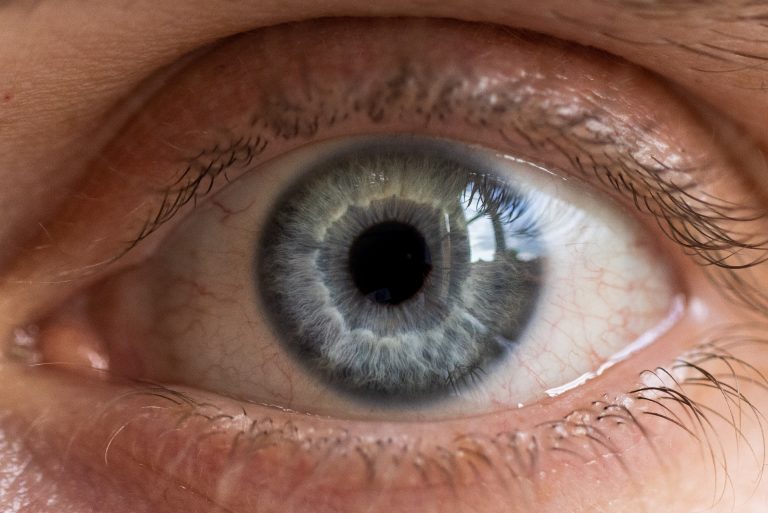

Changing Your Eye Color: All Available Methods
The desire to change one’s eye color has always fascinated people. Whether it’s to transform brown eyes into blue, obtain an emerald green gaze, or simply intensify one’s natural shade, this aesthetic aspiration raises many questions. Today, several solutions exist, from the simplest to the most sophisticated, each with its advantages and limitations.
Why Want to Change Your Eye Color?
The motivations for modifying one’s eye color are multiple and personal. Some people simply wish to try a new look, varying their appearance according to their mood or outfits. Others seek a deeper transformation, having dreamed since childhood of having a different eye color.
Beyond the purely aesthetic aspect, eye color can also influence self-confidence. For some, obtaining the desired shade represents a form of personal accomplishment, a way to align their outward appearance with their ideal self-image.
In some cases, the motivations are medical: correcting a color difference between the two eyes following an accident, masking a scar, or a visible anomaly of the iris. These situations pertain more to reconstruction than simple aesthetics.
Temporary Methods to Change Eye Color
If you wish to experiment without a definitive commitment, several temporary options are available to you.
Colored Contact Lenses
Colored contact lenses represent the most accessible, safest, and most popular solution for temporarily modifying one’s eye color.
The Different Types of Colored Lenses There are three main categories of colored lenses, each meeting specific needs:
- Visibility tints are lightly tinted, usually pale blue or green, solely to facilitate handling. They do not modify the natural eye color and are practically invisible once worn.
- Enhancement tints feature a translucent shade that intensifies the natural eye color without changing it completely. They are particularly suitable for people with light eyes who wish to deepen their natural nuance.
- Opaque tints offer a radical color change. Thanks to their dense pigmentation, they can transform dark eyes into light eyes. They reproduce the natural patterns of the iris with a clear central zone for the pupil.
How to Choose Your Colored Lenses The choice depends on your natural color and the desired result. Dark eyes require opaque lenses to obtain a visible change, while light eyes can settle for enhancement lenses for a subtle effect.
Lenses are available as daily, bi-weekly, or monthly disposables. Dailies offer more hygiene and practicality, while monthlies represent a better long-term investment.
You can also choose between lenses with or without correction. People with perfect vision can wear colored lenses without correction, called plano lenses.
Where to Buy Colored Lenses Safely Contact lenses are medical devices that require a prescription, even without correction. A consultation with an ophthalmologist or an optician is essential to verify that your eyes are suitable for wearing lenses and to obtain precise measurements of your eye.
Always prioritize purchases from certified professionals: opticians, authorized websites, or pharmacies. Absolutely avoid lenses sold on uncontrolled sites, in costume shops, or without medical traceability. These non-compliant products can severely damage your eyes.
Precautions for Use and Hygiene Wearing colored lenses requires impeccable hygiene. Always wash your hands before handling your lenses. Clean them daily with a suitable solution and strictly respect the recommended wearing time.
Never sleep with your lenses unless they are specifically designed for this use. Do not wear them while swimming in a pool or the sea to avoid infections. Replace your lens case every three months and never reuse the storage solution.
In case of redness, pain, blurred vision, or abnormal sensation, remove your lenses immediately and consult a healthcare professional.
Advantages and Limitations of Colored Lenses Colored lenses present numerous advantages: total reversibility, possibility to vary colors according to your desires, immediate result, and affordable cost. They allow experimenting without major risk and without permanent commitment.
However, they imply a daily constraint of insertion, maintenance, and removal. The cost can accumulate over the long term with regular renewals. Some people cannot tolerate wearing lenses due to dry eyes or discomfort. Finally, the result may appear less natural than the original color, particularly under certain lighting conditions.
The Prices of Colored Lenses
Rates vary considerably depending on the type and brand. Expect between 15 and 30 euros for a box of daily colored lenses (generally 10 lenses). Monthly lenses cost between 20 and 50 euros per pair, to which maintenance products are added (about 10 to 15 euros per month).
Over a year, a budget of 200 to 600 euros should be anticipated for regular wear of colored lenses, depending on the frequency of use.
Natural Tips and Makeup
Although no natural method can truly modify your eye color, some techniques allow highlighting it or creating an optical illusion.
Strategic makeup can intensify or bring out your natural color. Complementary eyeshadows create a contrast that modifies the perception of your eyes. For example, copper and purple tones bring out green eyes, while warm orange and bronze shades intensify blue.
The effect of light and clothing also influences the perception of eye color. Wearing clothes matching or complementary to your eyes can make them appear more intense or slightly different.
Some claim that a diet rich in certain nutrients can slightly modify the shade of the iris, but these effects remain marginal and scientifically unproven. Eye color is genetically determined by the amount of melanin in the iris, and no food can fundamentally change it.
Permanent Methods to Change Eye Color
For those seeking a definitive transformation, surgical solutions exist. However, they carry significant risks that must be carefully evaluated.
Keratopigmentation
Keratopigmentation currently represents the safest and most recommended surgical technique for permanently changing eye color.
Operating Principle This procedure consists of introducing biocompatible pigments into the thickness of the cornea, the transparent surface of the eye. Using a femtosecond laser, the surgeon creates a microscopic tunnel in the corneal stroma where the pigments are then deposited. These pigments reproduce the appearance of an iris of the desired color.
Advantages of Keratopigmentation This technique offers several major advantages: it does not touch the natural iris and thus preserves the internal structures of the eye. The result is permanent and stable over time. The intervention is relatively quick, performed under local anesthesia, and vision is generally not affected.
Keratopigmentation allows for obtaining natural results with a wide variety of possible colors, from subtle nuances to more marked transformations.
Risks and Precautions Like any surgical intervention, keratopigmentation carries risks: eye infection, prolonged inflammation, healing disorders, or aesthetic dissatisfaction. Although rare with experienced practitioners, these complications must be taken into account.
The technique requires a specialized and experienced ophthalmologist surgeon. Not all practitioners master this relatively recent intervention.
Cost of Keratopigmentation The price of this intervention generally ranges between 5,000 and 8,000 euros for both eyes in France. This rate includes the preoperative consultation, the intervention, and post-operative follow-up. It is a purely aesthetic act not reimbursed by Health Insurance.
Artificial Iris Implant (Discouraged)
This technique, also called cosmetic iris implantation surgery, involves surgically inserting a colored implant into the eye, between the cornea and the natural iris.
Why This Method is Controversial Initially developed for medical reasons (reconstruction after trauma or congenital malformation), this technique has been diverted for purely aesthetic purposes in some countries. However, it is now widely discouraged by the international medical community for non-medical indications.
Associated Serious Risks Complications of this intervention are numerous and potentially devastating: glaucoma (dangerous increase in intraocular pressure), chronic eye inflammation, corneal damage, early cataracts, persistent pain, partial or total loss of vision.
Many patients who have undergone this intervention have had to have the implant removed in an emergency and have retained permanent visual sequelae. Several medical studies have documented these serious complications.
Regulatory Status In many countries, including France and the United States, this practice for purely aesthetic purposes is prohibited or strongly discouraged by health authorities. Only strict medical indications can justify this type of intervention.
If you are considering this option, be aware that you will likely have to travel to countries where regulation is less strict, which further increases risks and complicates medical follow-up in case of complications.
Laser Iris Depigmentation (Experimental Technique)
An experimental technique, developed mainly in the United States, uses a laser to destroy the melanin present in the iris to reveal the underlying blue layer. This method is based on the fact that all eyes naturally have a blue base, masked by melanin in people with dark eyes.
Status and Availability This technique is still at the experimental stage and is not approved in most countries. Clinical trials are limited, and long-term safety data is sorely lacking.
Potential Risks Concerns are numerous: irreversible destruction of eye tissue, risk of glaucoma due to obstruction of eye drainage with melanin debris, unknown long-term effects on eye health, impossibility of reversal.
Most ophthalmologists strongly advise against this procedure due to the lack of hindsight and potential risks to vision.
Comparison of Different Methods
To help you choose the method best suited to your situation, here is a synthetic comparison of the main options.
Safety and Risks
- Colored contact lenses, when used correctly with strict hygiene, present the most favorable safety profile. Risks are minimal and mainly linked to misuse.
- Keratopigmentation, performed by an experienced practitioner, carries moderate but manageable risks. It is considered the safest surgical option.
- Iris implants and laser depigmentation present high risks of serious complications and are discouraged for purely aesthetic use.
Result and Naturalness
- Modern colored lenses offer increasingly natural results, although some models may appear artificial under certain lighting. The major advantage remains the possibility to change color according to your desires.
- Keratopigmentation allows for obtaining a permanent and generally natural result, especially with an experienced practitioner who can reproduce the subtle nuances of an authentic iris.
Overall Cost
- In the short term, colored lenses are the most affordable option (about 20 to 50 euros per month). However, over several years, the cost accumulates.
- Keratopigmentation represents a significant initial investment (6,000 euros for both eyes), but permanent.
Reversibility
- Lenses offer total and immediate reversibility, allowing for risk-free experimentation.
- Keratopigmentation is permanent. Although it is technically possible to remove the pigments, this procedure is complex and not guaranteed.
- Iris implants can be removed, but often after causing irreversible damage.
How to Make the Right Choice?
Choosing the method to change your eye color depends on several personal factors that should be honestly evaluated.
Evaluate Your Motivations and Expectations Ask yourself why you want to change your eye color. Is it a passing fancy, a desire for temporary change, or a deep and lasting aspiration? Are you ready to accept a permanent change, or do you prefer to keep the possibility of going back?
Are your expectations realistic? Find out about the results actually achieved with each method by consulting before-and-after photos and testimonials.
Consider Your Budget Establish a realistic budget taking into account not only the initial cost but also recurring expenses for temporary solutions. Don’t forget to include medical consultations, maintenance products, and potential complications.
For lenses, calculate the annual cost according to your planned wearing frequency. For surgery, ensure you can finance the entire procedure and follow-up without compromising your safety by choosing a risky low-cost option.
Evaluate Acceptable Risks for You Are you willing to risk your vision for an aesthetic result? Does your current eye health allow wearing lenses or surgery?
Imperatively consult an ophthalmologist for a complete assessment before any decision. Some eye conditions (chronic dryness, keratoconus, glaucoma, recurrent infections) may contraindicate certain methods.
Test First with Lenses Even if you are considering a permanent solution, starting with colored lenses will allow you to test the desired color in your daily life. You can thus verify that the change really matches your expectations and observe the reactions of those around you.
This preliminary step avoids regrets after a definitive intervention and helps you refine your color choice.
Choose a Trusted Practitioner If you opt for a surgical solution, the choice of practitioner is absolutely crucial. Look for a specialized ophthalmologist, trained specifically in the envisaged technique, with documented and verifiable experience.
Do not hesitate to contact us; we can put you in touch with the best professionals in France.
Beware of overly enticing offers, practitioners who minimize risks or push you to make a quick decision. Take time to reflect.
Frequently Asked Questions About Eye Color Change
Can eye color change naturally with age? Yes, slight variations are possible, especially during childhood. Many babies are born with blue eyes that progressively darken during the first years. In adults, minor changes can occur with aging, certain pathologies, or taking specific medications, but these variations remain subtle.
Can eye drops change their color? Some glaucoma medications containing prostaglandins can progressively darken the iris, turning it from a light shade to darker. This side effect is permanent and uncontrollable. It is absolutely not a recommended method for aesthetically changing eye color and can carry risks for eye health.
Can you go from dark eyes to light eyes naturally? No, there is no natural, dietary, or other method to significantly lighten dark eyes. The amount of melanin in the iris is genetically determined and cannot be reduced by natural means. The only options are colored lenses or certain surgical interventions.
Do colored lenses damage eyes? Quality colored lenses, purchased from certified professionals and used correctly, are no more dangerous than standard corrective lenses. Risks mainly stem from poor hygiene, excessive wear, or non-compliant products bought without a prescription.
How long do keratopigmentation results last? Keratopigmentation results are considered permanent. Pigments remain stable in the cornea over the long term. However, a slight attenuation of color intensity may occur after several years in some patients, sometimes requiring a minor touch-up.
Conclusion
Changing one’s eye color is possible today thanks to different methods, each with its advantages and disadvantages. Colored contact lenses represent the safest, most accessible, and most flexible solution, ideal for those wishing to experiment without definitive commitment. With a wide choice of colors and wearing durations, they are suitable for the majority of people with good eye health.
For a permanent transformation, keratopigmentation currently constitutes the most recommendable surgical option, offering a good balance between safety and lasting results. However, it requires a significant financial investment and rigorous selection of the practitioner.
Other surgical techniques, notably cosmetic iris implants and laser depigmentation, are strongly discouraged due to the serious risks to vision they entail. Caution and prioritizing your eye health must always take precedence over aesthetic considerations.
Whatever your decision, systematically consult a qualified ophthalmologist, take the time to inform yourself well, honestly evaluate the risks, and ensure that your choice truly corresponds to your needs and values. Your eyes are precious and irreplaceable: they deserve the greatest care and attention.