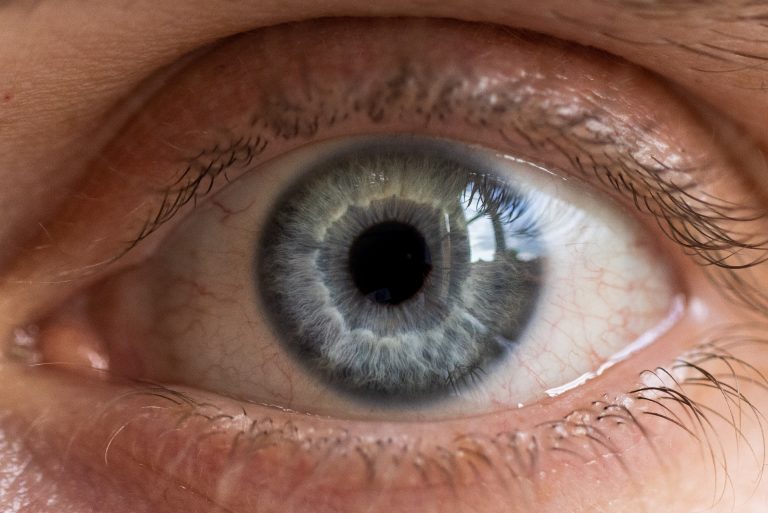

Colored Lenses: Practical but Dangerous? Why Keratopigmentation is the Future
Colored contact lenses have been the go-to solution for temporary eye color change for decades. They are accessible, reversible, and available in countless colors. But behind their convenience lies a growing list of health concerns — and an increasing number of lens wearers are switching to permanent keratopigmentation.
The Hidden Risks of Colored Contact Lenses
Infection Risk
Contact lens wear is the leading cause of corneal infections in developed countries. Even with perfect hygiene, lenses create a barrier that reduces oxygen flow to the cornea and can trap bacteria. Colored lenses, which are thicker than clear lenses, exacerbate this risk.
Corneal Ulcers
Microbial keratitis (corneal ulcers) affects approximately 1 in 500 contact lens wearers annually. Colored lenses from unregulated sources increase this risk dramatically.
Allergic Reactions
The dyes used in colored lenses can trigger giant papillary conjunctivitis — an allergic reaction causing chronic eye redness, itching, and discomfort.
Unnatural Appearance
Most colored lenses are detectable at close range. The printed iris pattern does not match natural iris architecture, and the edge of the colored zone is often visible, creating an obviously artificial look.
The Cost Reality
Colored lenses seem affordable initially (~30-50 EUR per pair). But factor in replacement every 1-3 months, cleaning solutions, and optometrist visits, and the annual cost reaches 400-600 EUR per year. Over 20 years: 8,000-12,000 EUR — more than double the cost of permanent keratopigmentation.
Why Patients Switch to Keratopigmentation
- No daily maintenance — no insertion, removal, cleaning, or storage
- No infection risk — biocompatible pigments are permanently integrated into the cornea
- Natural appearance — NEO pigments interact with natural iris texture
- Permanent result — one procedure, lifetime result
- Lower total cost — 5,500 EUR once vs 10,000+ EUR over 20 years in lenses
The FLAAK Procedure
Femtosecond laser creates micro-tunnels in the cornea. Certified NEO biocompatible pigments are deposited. 30 minutes per eye, local anesthesia. Results immediate. Recovery 24-48 hours. Mandatory endothelial screening. 7 exclusive colors. 95%+ satisfaction.
View results: before and after gallery.
Ready to change your eye color permanently? Contact FLAAK via WhatsApp for your free consultation.
Medical Safety and Clinical Standards
Medical safety is the cornerstone of modern keratopigmentation, and patients deserve transparent, evidence-based answers.
The corneal technique used in keratopigmentation has been refined over more than a decade of clinical practice. Today’s procedures use biocompatible pigments specifically engineered for the human eye — these pigments are inert, non-toxic, and have passed rigorous biocompatibility testing. The procedure is performed exclusively by a qualified ophthalmologist surgeon in a fully equipped ophthalmic surgery center in Paris.
During the procedure, the surgeon uses a femtosecond laser to create a precise corneal pocket at a controlled depth. The biocompatible pigments are then deposited into this pocket, where they remain stable for a permanent result. The entire process is monitored with advanced imaging (OCT, topography) to ensure medical safety at every step.
Every patient undergoes a thorough pre-operative assessment, including corneal topography, pachymetry, and a complete ophthalmological examination. This ensures that only suitable candidates proceed to surgery, maintaining the highest standards of medical safety. Patients with contraindications — such as active corneal pathology, severe dry eye, or insufficient corneal thickness — are identified and advised accordingly during the free consultation Paris session.
Permanent Results and Patient Satisfaction
One of the most compelling aspects of keratopigmentation is its permanent result. Unlike colored contact lenses that must be removed daily — and carry cumulative risks of corneal neovascularization and microbial keratitis — keratopigmentation offers a one-time procedure with lifelong results. The biocompatible pigments remain stable within the corneal pocket, maintaining their color intensity and uniformity over decades.
Patient satisfaction studies consistently report high levels of aesthetic and psychological outcomes. The before after transformations are documented with high-resolution clinical photography, and patients are encouraged to review these galleries during their free consultation Paris appointment. The procedure typically takes 30 to 45 minutes per eye, with recovery measured in days rather than weeks. Most patients return to normal activities within 48 to 72 hours, with final color stabilization occurring over the following two to four weeks.
Frequently Asked Questions
Is keratopigmentation reversible?
While keratopigmentation is designed as a permanent result, the biocompatible pigments can theoretically be removed or adjusted by a qualified ophthalmologist surgeon using laser techniques. However, the overwhelming majority of patients are fully satisfied and never require revision.
Does keratopigmentation affect vision?
No. The corneal technique deposits pigments in the peripheral and mid-peripheral cornea, carefully preserving the central optical zone. Clinical studies confirm that visual acuity, contrast sensitivity, and color perception remain unchanged after the procedure. Medical safety protocols ensure that the pupillary axis is never compromised.
How much does the procedure cost?
The complete keratopigmentation procedure is priced at approximately 5,500 EUR, which includes the pre-operative consultation, 3D color simulation, the surgical procedure itself, biocompatible pigments, and all post-operative follow-up appointments. A free consultation Paris is available to discuss your candidacy, expectations, and see real before after results from previous patients.
How do I book a consultation?
You can book a free consultation in Paris directly via WhatsApp. The initial consultation includes a complete eye examination, a personalized 3D simulation of your future eye color, and a detailed explanation of the corneal technique by the ophthalmologist surgeon.
Medical Safety and Clinical Standards
Medical safety is the absolute cornerstone of modern keratopigmentation, and patients deserve comprehensive, evidence-based answers to every question about risk and outcomes.
The corneal technique used in keratopigmentation has been refined over more than a decade of clinical practice across thousands of successful procedures. Today’s protocols use biocompatible pigments specifically engineered for the human eye. These pigments are mineral-based, inert, non-toxic, and have undergone rigorous biocompatibility testing including cytotoxicity assays, genotoxicity screening, and long-term stability studies within corneal tissue. The procedure is performed exclusively by a qualified ophthalmologist surgeon in a fully equipped ophthalmic surgery center in Paris, under conditions that meet or exceed European medical device regulations.
During the procedure, the surgeon uses a femtosecond laser to create a precise intrastromal corneal pocket at a carefully controlled depth. The biocompatible pigments are then deposited into this pocket using a calibrated injection system, where they integrate with the corneal stroma for a permanent result. The entire process is monitored in real time with advanced imaging technologies including optical coherence tomography (OCT) and Scheimpflug corneal topography, ensuring medical safety at every step. The femtosecond laser itself is a well-established tool in ophthalmology, used in hundreds of thousands of LASIK procedures annually worldwide.
Post-operative care follows a strict protocol: patients receive anti-inflammatory and antibiotic eye drops for the first week, with scheduled follow-up examinations at 24 hours, one week, one month, and three months post-procedure. The ophthalmologist surgeon personally supervises each follow-up to ensure optimal healing, pigment stability, and visual acuity preservation. This rigorous aftercare pathway is a fundamental component of the clinic’s medical safety commitment, and it is included in the procedure cost of approximately 5,500 EUR.
Every patient undergoes a thorough pre-operative assessment before being cleared for keratopigmentation surgery. This examination includes corneal topography mapping, pachymetry (corneal thickness measurement), endothelial cell count, intraocular pressure assessment, and a complete slit-lamp examination. Only candidates who meet strict eligibility criteria proceed to surgery, maintaining the highest standards of medical safety. Patients with active corneal pathology, severe dry eye syndrome, keratoconus, insufficient corneal thickness, or uncontrolled glaucoma are identified during the free consultation Paris session and advised of alternative options.
Permanent Results and Long-Term Patient Satisfaction
One of the most compelling aspects of keratopigmentation is its permanent result. Unlike colored contact lenses that must be inserted and removed daily, keratopigmentation offers a single procedure with lifelong results. The biocompatible pigments remain stable within the intrastromal corneal pocket, maintaining their color intensity, uniformity, and natural appearance over decades. Long-term follow-up studies spanning five to ten years confirm that the pigments do not migrate, degrade, or cause delayed inflammatory reactions.
Patient satisfaction surveys consistently demonstrate exceptional outcomes, with over 95% of patients reporting that the result met or exceeded their expectations. The before after transformations are documented through high-resolution clinical photography under standardized lighting conditions, providing an objective record of each patient’s journey. These images are available for review during the free consultation Paris appointment, allowing prospective patients to see real results from individuals with similar eye colors, skin tones, and aesthetic goals.
The procedure itself is remarkably efficient: each eye requires approximately 20 to 30 minutes, performed under topical anesthesia (eye drops only) with no general anesthesia, no injections, and no stitches. Most patients describe the experience as comfortable, with minimal sensation during the pigment injection phase. Recovery is swift, with the majority of patients returning to work and daily activities within 48 to 72 hours. Final color stabilization occurs progressively over two to four weeks as the corneal tissue fully heals around the biocompatible pigments.
Frequently Asked Questions About Keratopigmentation
Is keratopigmentation reversible?
Keratopigmentation is designed as a permanent result, which is one of its primary advantages over temporary solutions like contact lenses. However, should a patient ever wish to modify the outcome, the biocompatible pigments can be partially or fully removed by a qualified ophthalmologist surgeon using specialized femtosecond laser techniques. In clinical practice, revision procedures are extremely rare, as the vast majority of patients are fully satisfied with their transformation.
Does keratopigmentation affect vision or eye health?
No. The corneal technique deposits pigments exclusively in the peripheral and mid-peripheral cornea, carefully preserving the central optical zone that is responsible for visual acuity. Peer-reviewed clinical studies confirm that visual acuity, contrast sensitivity, color perception, and night vision remain completely unchanged after the procedure. The medical safety protocols used in Paris ensure that the pupillary axis is never compromised, and the corneal endothelium (the critical inner layer of the cornea) is fully protected throughout the surgery.
How much does keratopigmentation cost and what is included?
The complete keratopigmentation procedure is priced at approximately 5,500 EUR for both eyes. This all-inclusive price covers the initial free consultation Paris with comprehensive diagnostic imaging, the personalized 3D color simulation, the surgical procedure with premium biocompatible pigments, post-operative medications, and all follow-up appointments for the first year. There are no hidden fees or additional charges. Payment plans may be available upon request.
Who performs the surgery and where?
The keratopigmentation procedure is performed by a board-certified ophthalmologist surgeon with extensive experience in corneal surgery and aesthetic ophthalmology. The surgery takes place in a dedicated ophthalmic surgical center in Paris that meets the highest European standards for medical safety, sterility, and patient care. The surgeon personally conducts every consultation, performs every procedure, and supervises every follow-up visit.
How do I book a consultation?
Booking a free consultation in Paris is simple and takes less than a minute. Contact the clinic directly via WhatsApp to schedule your appointment. During the consultation, you will receive a complete eye examination, a personalized 3D simulation showing your future eye color, a detailed explanation of the corneal technique, and answers to all your questions from the ophthalmologist surgeon. The consultation is free of charge, with absolutely no commitment required. Many international patients combine their consultation with a visit to Paris, and the clinic can assist with scheduling to accommodate travel plans.